My relationship with AI has changed shape several times over the course of my life. It began as something playful and half-convincing, later became something more mathematical and practical, and now feels woven into creative work, software, and more of everyday life than I would have expected. Looking back, what stands out is not a single breakthrough moment, but the gradual way AI kept moving closer.
A playful beginning
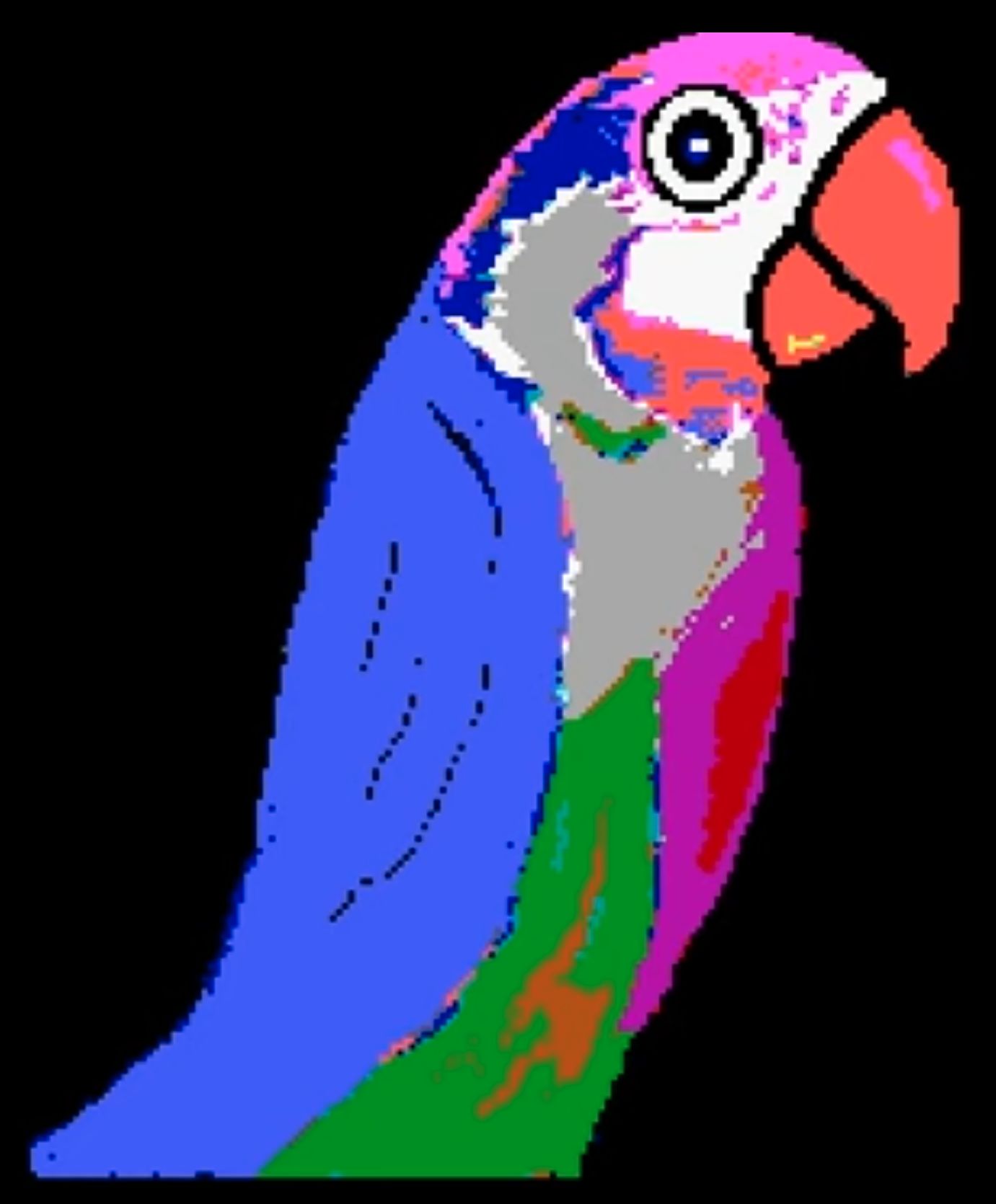
One of my first encounters with "AI" was a talking parrot from Sound Blaster. You could poke it to make it laugh, and if you spoke to it, it would repeat what you said. It was not intelligent in any serious sense, but as a kid, it certainly felt like it was. That kind of illusion was enough to leave an impression.
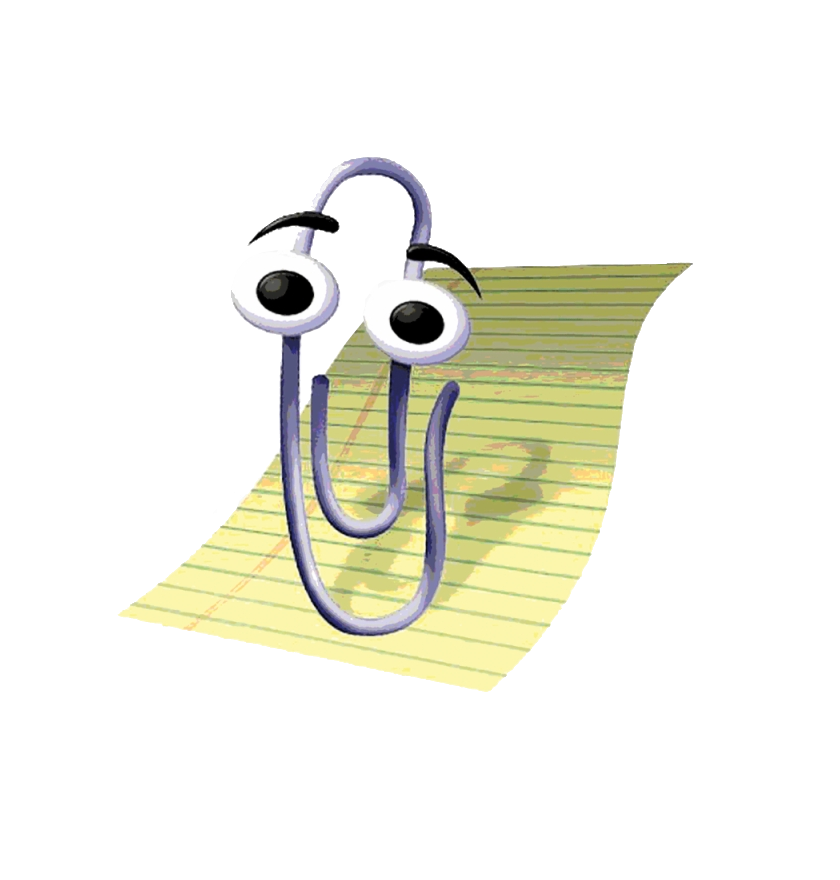
Clippy belongs in the same era for me. It was friendly, occasionally helpful, and part of a broader class of software that seemed to gesture toward intelligence without really possessing it. I also remember Microsoft Word features that could "summarize" a document by highlighting the parts it considered important. There was no rewriting or paraphrasing, but it still gave the impression that the computer was doing something more than following instructions.
Video game characters never really landed the same way in my head. I spent plenty of time with them, and I enjoyed them, but I thought of them more as designed behavior than intelligence. They followed patterns, reacted to triggers, and did what they were built to do. I never really conflated that with AI, even if other people might have.
Patterns and prediction
In university, AI stopped looking like a toy and started looking like statistics. One of my courses focused on using existing data to make predictions, including a project on determining whether mushrooms were poisonous based on known examples. It had nothing to do with language models or chatbots, but I liked the underlying idea: with enough variables, enough known values, and a reasonable model, you could extract something useful from messy data.
That version of AI felt less magical, but in some ways more real. It was not pretending to think. It was helping you find patterns that would be hard to spot on your own.
From novelty to utility
Then ChatGPT arrived, and AI felt different again. For the first time, it seemed less like a narrow technique and more like a general-purpose tool. It could explain, draft, answer, and improvise in ways that felt startlingly natural, even when it was wrong. Early on, the hallucinations were part of the novelty. Later, they became the part you had to work around.
I tried using it for all kinds of things, including helping me write a novel. I thought I could feed it a summary of a chapter and have it expand that into something coherent, but the context window kept getting in the way and the continuity fell apart. It always seemed a little too eager to end the story. Maya still might get a chance to save the planet from a solar flare with the help of her AI friend Sigma, assuming Jake does not get in the way.
Image generation widened the door even further. It let me turn vague ideas into something visible without needing the traditional skills that would normally sit between imagination and output. Video generation pushed that even further. I remember creating a still image with DALL·E, passing it into Runway, and watching the scene come alive. It was imperfect and occasionally uncanny, but it was still remarkable to watch something static become motion.
Code generation followed a similar path. At first it was rough enough to feel more like a novelty than a serious tool. Over time, though, it became useful enough that ignoring it no longer felt principled; it just felt impractical.
Everyday encounters
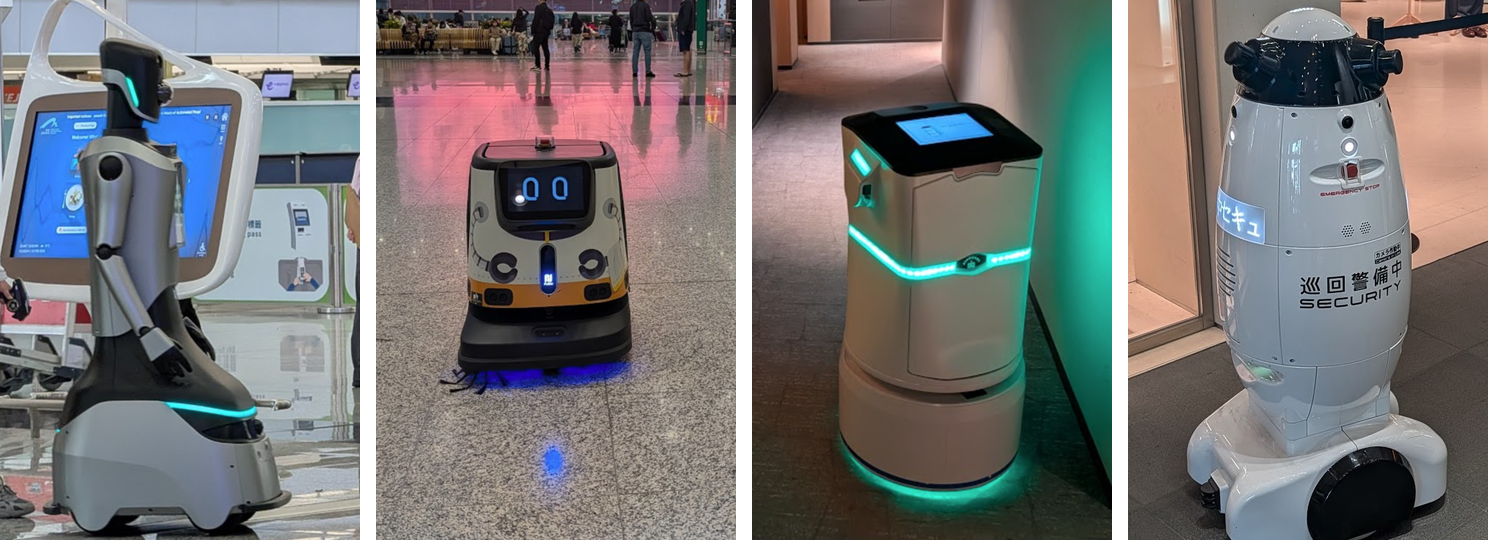
More recently, on a trip to Asia, I saw robots cleaning, doing security, making deliveries, and moving through ordinary public spaces. Some still looked a little futuristic, but what stood out most was how quickly their presence started to feel natural. They did not seem like curiosities for long. They were simply part of the environment, doing familiar kinds of work in familiar places.
What stands out to me now is how often AI shows up in ordinary places. For a long time, it appeared in small, separate moments: a talking parrot, a paperclip, a classroom dataset, a chatbot that sounded smarter than it was. Now it is part of a much wider range of experiences, showing up in writing, coding, image generation, search, and increasingly in the physical world as well.
I understand why many people, especially in creative communities, dislike what it has produced. Some of it is lazy, derivative, or genuinely harmful, and some of the backlash is earned. At the same time, I do not think the whole story is captured by calling it all slop. AI has also been useful, inspiring, and unexpectedly practical.
AI did not suddenly appear out of nowhere. It arrived in pieces, over time, and then gradually became much harder to ignore. I do not think that means it should be embraced uncritically, and I understand why many people are uneasy about where it is headed. At the same time, I do not think it makes sense to dismiss it entirely. It is already shaping how people create, work, and interact with technology, and that makes it worth engaging with thoughtfully.